


Notes from The Workshop
Essays, Insights & Reflections on the Art & Practice of Authentic Okinawan Karate & Kobujutsu

019 — Winning Thoughts: Reflections On a Karate Tournament
Kata isn’t a string of poses—it’s movement with purpose. At a recent state tournament, I watched routines stretch past three minutes not from complexity, but from stillness. The staccato, frozen style betrayed kata’s intent: strategy in motion. When form eclipses function, both kata and sparring collapse into performance, not practice.

018 — Training Stimulus: Beyond the Count
In the dojo, we often move to the count—useful for pacing a class, but incomplete for self-preservation. Real encounters demand rapid reactions to what we see and, most critically, what we feel. This piece breaks down the three training stimuli—auditory, visual, and tactile—and shows why kakie and kakedameshi keep Gōjū-ryū rooted in reality.
017 — Karate is a Living Folk Art, Not a Martial Art
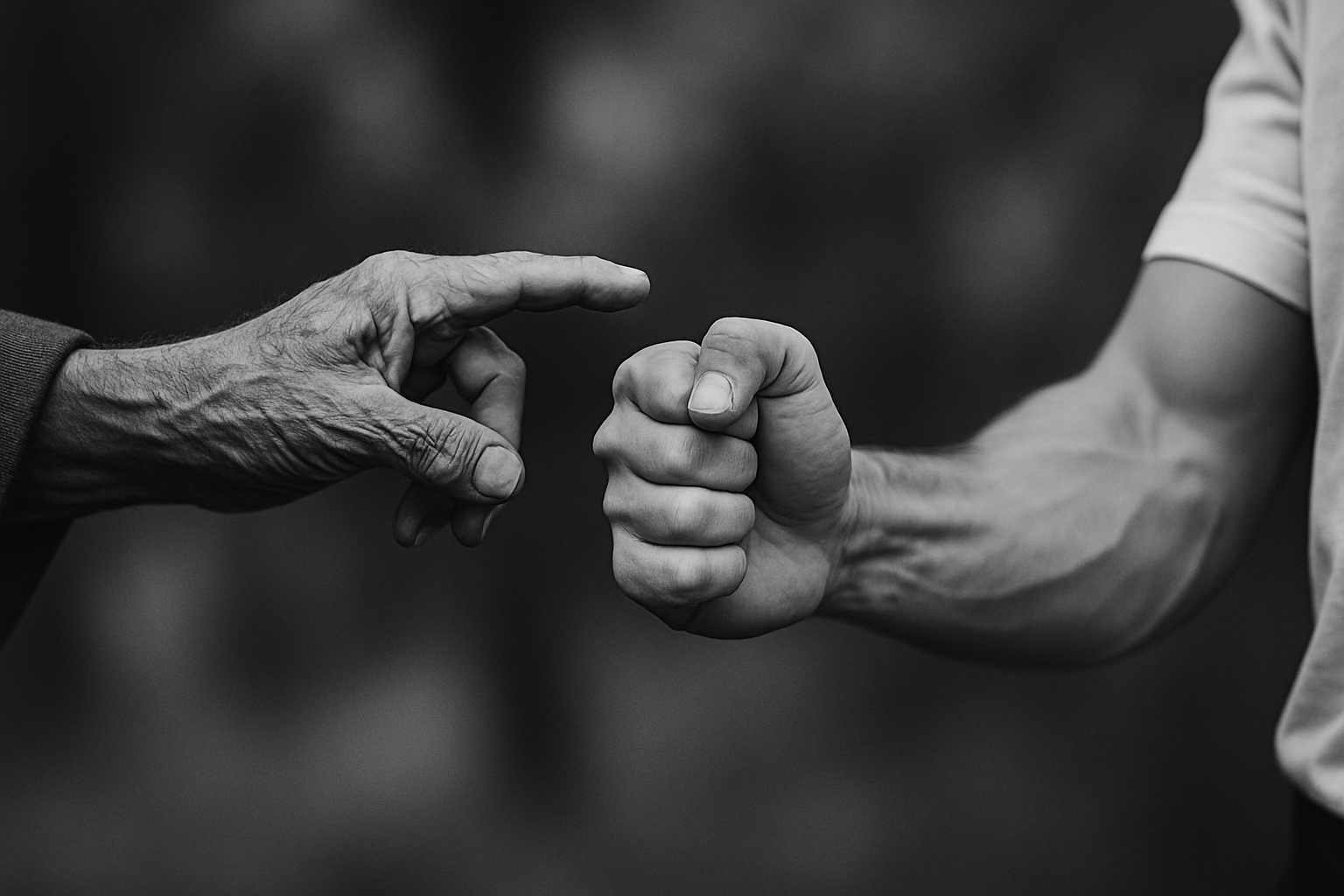
Karate is not a martial art, but a living folk art—an Okinawan cultural practice shaped in village courtyards and backyards, rooted in personal preservation and community. It did not descend from the battlefields of imperial Japan, nor was it forged for military conquest. Before it was transformed by Japanese nationalism into a regimented budō, Karate was passed down through intimate teacher-student relationships, preserving not just techniques but a cultural understanding. To reclaim Karate today is to return to those roots—training not for trophies or rank, but for character, culture, and real-world self-protection.
016 — It’s Not A Martial Art, Probably
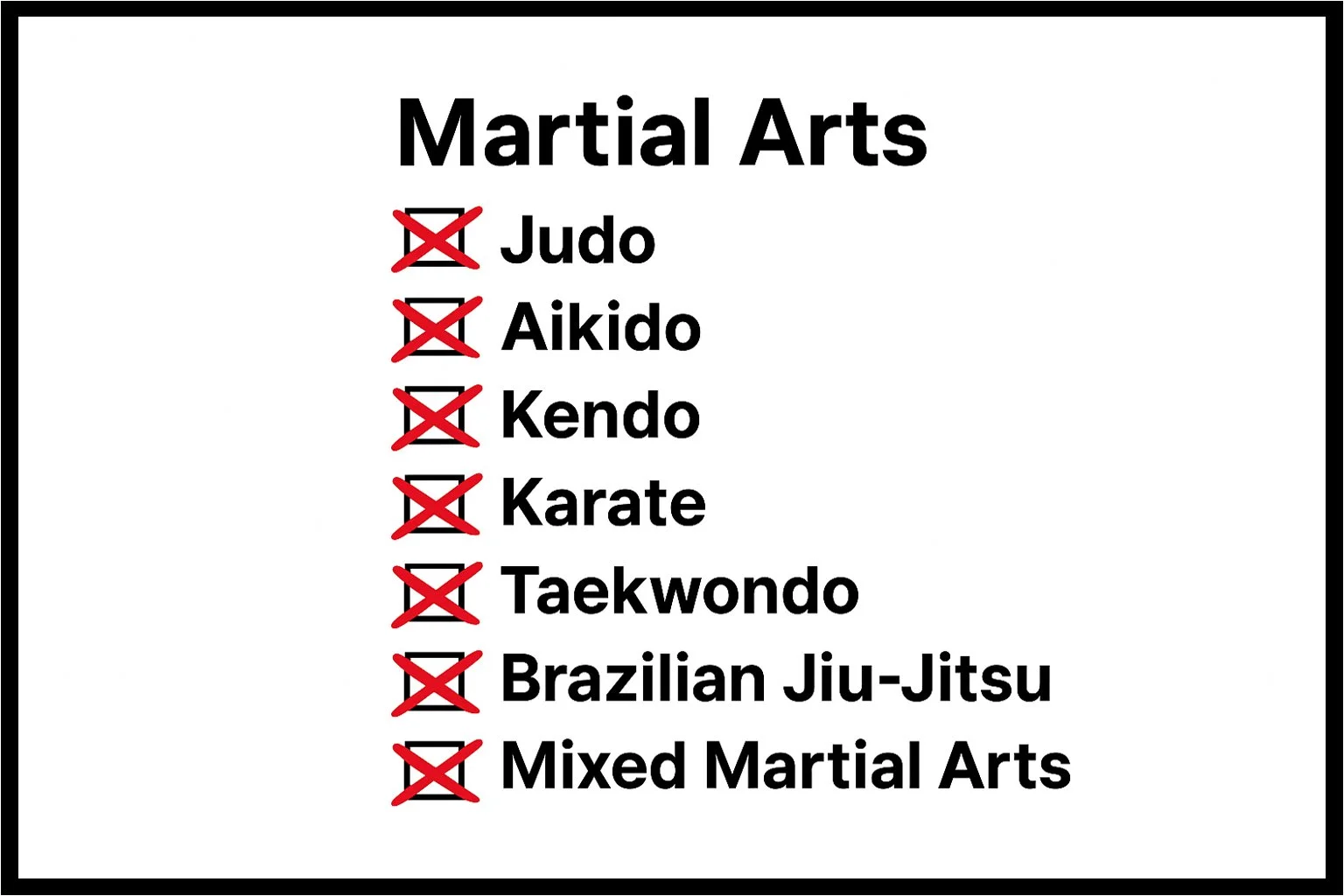
Most of what we call "martial arts" today are either philosophical paths, cultural performances, or rule-bound combat sports. Their original combative purpose—the ability to deal with violence in the real world—has been diluted, distorted, or forgotten. Even karate, which began as a practical system of self-preservation in Okinawan communities, was rebranded by Japan in the 20th century and transformed into something rigid, performative, and often ineffective.
Understanding what a martial art isn’t is the first step toward reclaiming what karate once was—and could be again.
015 — The Okinawan Spirit of Not Losing, Part 5: In Conclusion
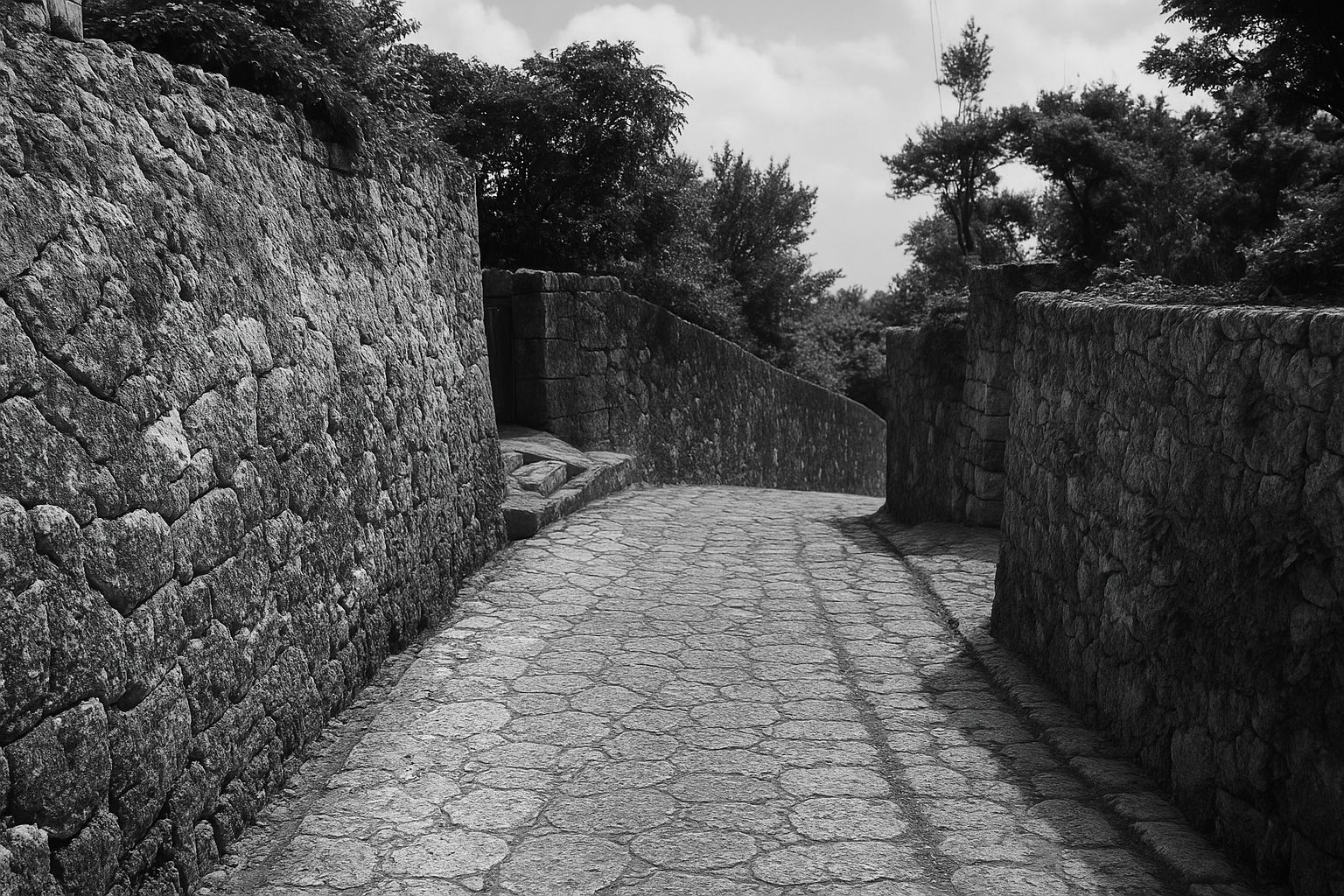
The Okinawan spirit of “not losing” is not about avoiding a fight at all costs — nor is it about winning at any cost. It is the disciplined choice to act at the right moment, with just enough force to end a conflict without needless harm. Rooted in culture of Okinawa, this principle blends timing, judgment, and moral responsibility into the heart of Karate’s true purpose: protecting life while preserving peace.
“No matter how you may excel in the art of Te, and in your scholastic endeavors, nothing is more important than your behavior and your humanity as observed in daily life.”
— Tei Junsoku (1663-1734)