


Real Training. Authentic Traditions.
Gōjū-Ryū Karate & Yamanni-Ryū Bōjutsu
Est. 2025 | Stillwater, NJ
I'm currently producing original photography that better reflects the spirit of our training.
In the meantime, I invite you to explore the site — each section offers a window into what makes The Karate Workshop unique.
Thank you for your interest and your patience as we continue to build something meaningful.
Training at The Workshop
Choose the Type of Training That Fits Your Style

Public Classes
Small-Group Training
Private Instruction

Culture
Learn the cultural traditions and values of Okinawan martial arts, cultivate respect, discipline, and a strong martial mindset.

Fitness
Build the foundation of a martial artist through traditional conditioning and functional movement to improve strength, endurance, and flexibility.
Form
Explore kata as the basis of martial strategy and movement, develop structure, precision, and tactical understanding.

Function
Learn to apply karate as it was meant to be, gain effective striking, close-quarters grappling, and essential groundwork skills.
Notes from The Workshop
Essays, Insights & Reflections on the Art & Practice of Authentic Karate & Kobujutsu
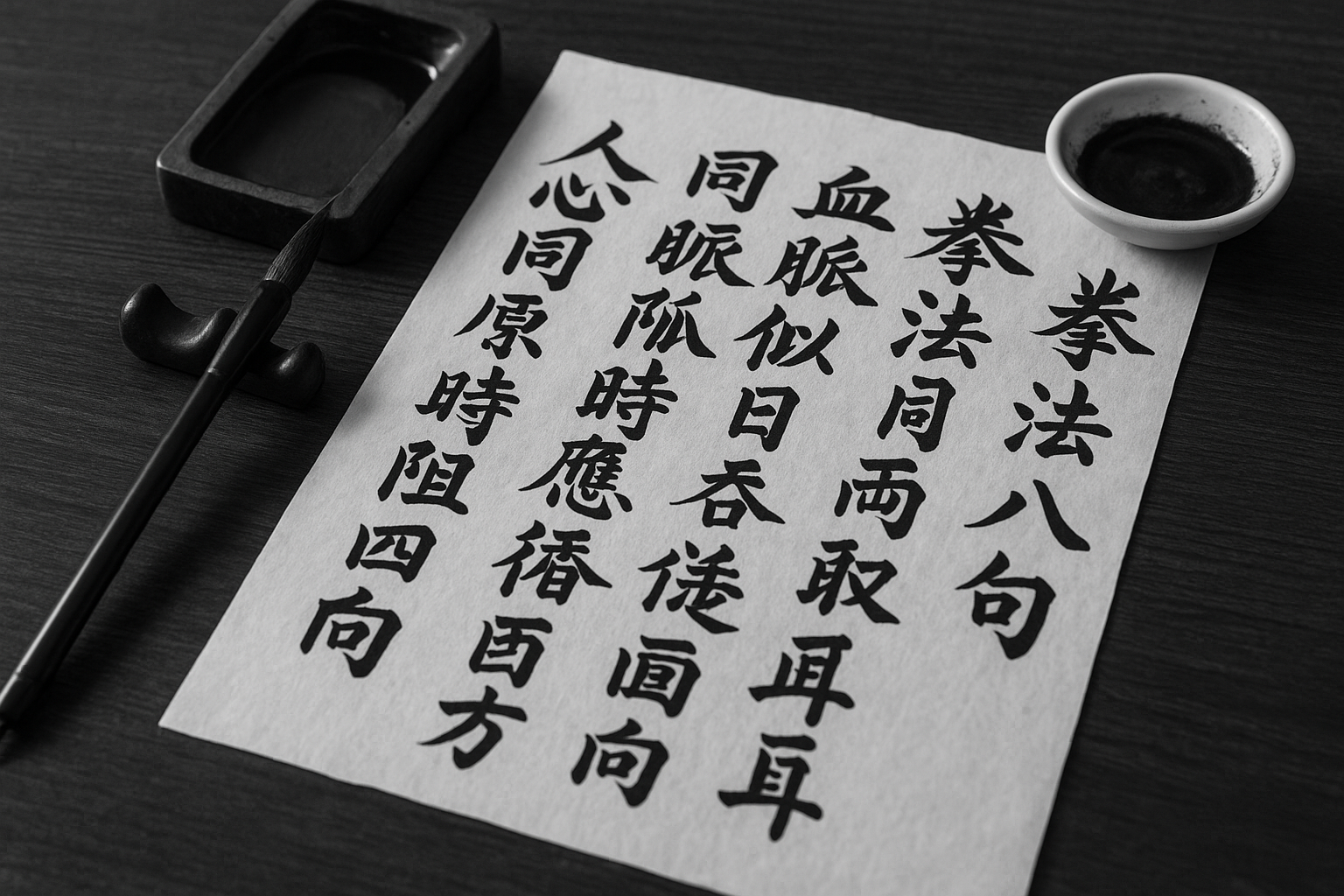

“Do not strike others, and do not be struck by others. This is the principle of peace without incident.”
— Miyagi Chōjun (1888–1953)
Most Karate taught to adults today is essentially children’s Karate.
This is not a criticism of training for children, but of applying that same training to adults without progression.
Somewhere along the way, Karate did not lose its power; it lost its purpose. What remains is often not the full art, but an introduction mistaken for completion.